
Chestnut mushrooms, boasting a unique combination of nutritional benefits, culinary versatility, and accessible cultivation methods, have sprung to prominence in recent years. Whether you're a fanatic for fungi or a newbie to the natural delights of mushrooms, this comprehensive overview will fill you in on all there is to know about chestnut mushrooms!
Chestnut mushrooms, scientifically known as Pholiota adiposa, are a distinctive species within the Strophariaceae family, often recognized by their golden-brown, scaly caps. These mushrooms naturally grow in forested regions of North America, Europe, and Asia, typically on decaying hardwood trees like beech, oak, maple, and elm. Their fruiting bodies are found in clusters with caps that range from 2 to 10 cm in diameter. The caps are golden to chestnut-brown with darker scales[^1^].
Caption: A close-up view of the distinctive chestnut mushroom cap.
Chestnut mushrooms are nutritionally dense, featuring low calories and high water content, alongside a rich array of B vitamins such as riboflavin and niacin. These elements support energy production and DNA repair. Notably, chestnut mushrooms can provide vitamin D through ergosterol which converts to vitamin D2 upon exposure to UV light. Selenium, another key component, offers antioxidant properties vital for immune defense[^2^].
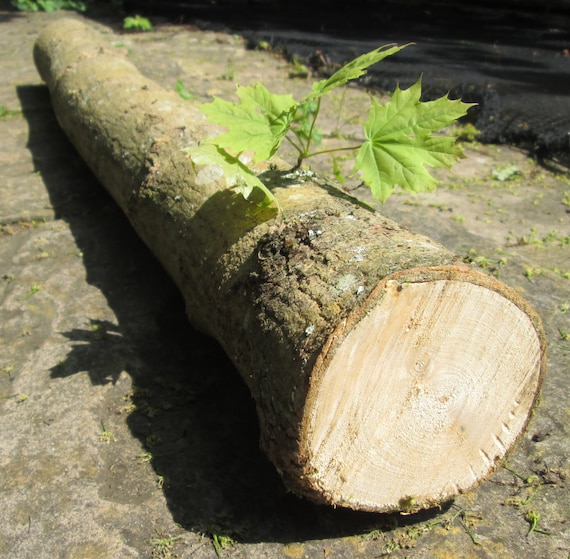
Cultivating chestnut mushrooms can be achieved through various methods, from utilizing pre-colonized grow kits for beginners to more advanced techniques involving substrate preparation. Successful cultivation requires maintaining specific temperature and humidity conditions to encourage mycelial growth and fruiting. Outdoor cultivation on hardwood logs is sustainable, though it takes longer to produce results, yielding mushrooms for several years[^3^].
Caption: Cultivation of chestnut mushrooms on logs
Cherished for their nutty, umami-rich flavor, chestnut mushrooms maintain their firm texture even when cooked, making them ideal for various culinary techniques such as sautéing, roasting, and grilling. They serve as a meat substitute, particularly in vegetarian dishes, and enhance dishes like soups, stews, pastas, and risottos with their earthy taste. Cleaning should be gentle to preserve texture, and full cooking is recommended to enhance digestibility and prevent potential gastrointestinal upset[^4^].
 Caption: Chestnut mushrooms enhancing the flavor of a pasta dish.
Consumption of chestnut mushrooms enhances immune function, due in part to their antioxidant content. They contribute to cardiovascular health by providing potassium, which aids in blood pressure regulation. Their bioactive compounds, such as beta-glucans and methyl gallate, offer anti-inflammatory and potential anti-cancer properties, though more research is needed to fully understand their impact on human health[^2^].
In summary, chestnut mushrooms offer a myriad of benefits, ranging from health-boosting properties to enhancing your culinary repertoire. Whether you're keen to incorporate more functional foods into your diet or curious about cultivating these natural wonders at home, chestnut mushrooms offer plenty of reasons to explore and reap their benefits.
[^1^]: Lykyn - Chestnut Mushrooms: A Comprehensive Guide [^2^]: Merryhill Mushrooms LTD - Nutritional Profile & Health Benefits [^3^]: Lykyn - Chestnut Mushrooms: A Comprehensive Guide [^4^]: Lykyn - Chestnut Mushrooms: A Comprehensive Guide