
China has firmly established itself as the foremost producer and consumer of edible mushrooms, contributing significantly to the global supply and influencing markets worldwide. The industry's growth has been fueled by different factors: technological innovations, regional production hubs, integration with tourism, and proactive government initiatives. Let's delve deeper into these aspects to better understand China's mushroom boom.
China contributes over 40 million tonnes of mushrooms annually, accounting for more than 70% of the global supply. These numbers underscore China's dominance in the sector for several consecutive years. Recently, the mushroom industry has reached an impressive economic valuation of over 380 billion yuan (approximately $53 billion), highlighting China's critical role in meeting domestic demands and significantly influencing global markets [^1^].
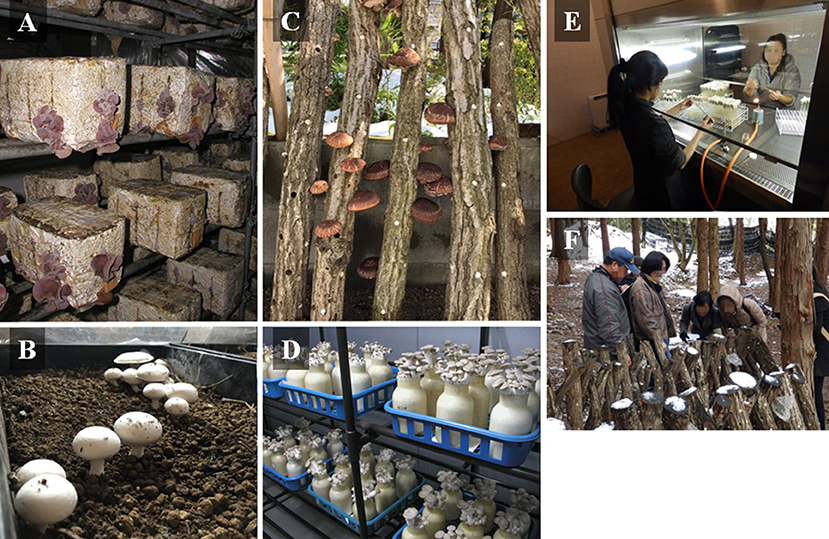
Within China, several provinces serve as key hubs for mushroom cultivation and trade. Among them, Henan, Fujian, Heilongjiang, and Hebei become crowned as the leading producers of cultivated mushrooms. Yunnan Province, however, stands out for its production and export of wild edible mushrooms, including popular varieties like matsutake and Sarcodon aspratus, which find their way to tables in Japan and South Korea. The bustling Mushuihua Wild Mushroom Trading Center in Kunming, Yunnan, handles a significant portion of the region's mushroom trade volume [^1^].
The mushroom industry in China is not limited to primary produce but extends to value-added processing as well. In regions like Suizhou, Hubei Province, products derived from shiitake mushrooms, such as sauces and snacks, constitute a substantial chunk of the city's exports. The industry leverages technological advancements with state-of-the-art facilities used for seed conservation, breeding, and processing. These innovations have paved the way for new marketing channels like livestream promotions and cross-border e-commerce, which have created wider international trade opportunities [^1^].
Tourism has found a unique convergence with mushroom cultivation in Yunnan Province. From organizing mushroom-picking tours to offering engaging culinary experiences, this integration attracts tourists and provides a boost to the local economy. Nanhua County, in particular, has emerged as a notable destination, offering guided tours for a hands-on foraging experience and meals featuring locally sourced wild mushrooms. This innovative blend of agriculture and tourism has bolstered the region's economic fabric and unveiled additional revenue avenues [^1^].
Recognizing the economic potential of the mushroom industry, the Chinese government introduced several initiatives to bolster this sector. For example, university programs have been designed to specialize in Fungal Science and Engineering. Additionally, over 20 national standards have been established for edible mushroom production. The government actively promotes international competitiveness through strategic guidelines focused on enhancing product quality and conserving resources. Aligning with international production standards and fostering robust domestic brands are essential for sustaining growth within this dynamic sector [^1^].
In conclusion, China's mushroom industry underscores the power of innovation and strategic growth in agriculture. As the world's leading edible mushroom producer and consumer, the country's strategies and triumphs offer valuable insights that other nations can adopt to boost their agricultural sectors.
[^1^]: People's Daily Online - China: The Global Leader in Mushroom Production