
We've all seen oyster mushrooms range from ingredient lists to upscale menus, but did you know about their potent health properties, environmental benefits, and exciting culinary uses beyond the wok and cream sauce? This diverse fungal powerhouse has a lot to offer besides its tender flesh and subtle flavors, and today we'll unpack why they deserve your undivided attention.
Oyster mushrooms (Pleurotus ostreatus) have been highlighted as having significant potential in cancer prevention and therapy due to their bioactive compounds. These mushrooms are rich in β-glucans and other low molecular weight compounds, such as phenolic acids and flavonoids, which contribute to their potent antioxidant activity necessary for combating oxidative stress, a factor in cancer development. Recent studies have shown that these compounds can induce apoptosis in cancer cells and inhibit their proliferation by arresting the cell cycle in the G0/G1 phase. Furthermore, oyster mushrooms possess immunomodulatory properties, activating the immune system via β-glucans binding to innate immune cells, enhancing immune surveillance against tumors. However, while promising results have been seen in clinical trials, further extensive, randomized studies are needed to establish definitive efficacy and safety as complementary therapies in cancer treatment (NCBI).

Beyond their health benefits, oyster mushrooms have a profound positive impact on the environment and sustainable agriculture. The mycelial networks of these mushrooms aid in soil health by breaking down complex organic matter into bioavailable nutrients. This process helps improve soil structure, aeration, and water retention. Similarly, they are effective decomposers of organic waste, transforming agricultural byproducts such as straw and coffee grounds into nutrient-rich compost.
Moreover, oyster mushrooms can suppress soil-borne pathogens through natural antimicrobials, reducing reliance on synthetic pesticides. These fungi also aid in soil erosion control by stabilizing soil particles with their dense mycelial matrices, making them useful in mycorestoration projects (Bridgetown Mushrooms LLC).
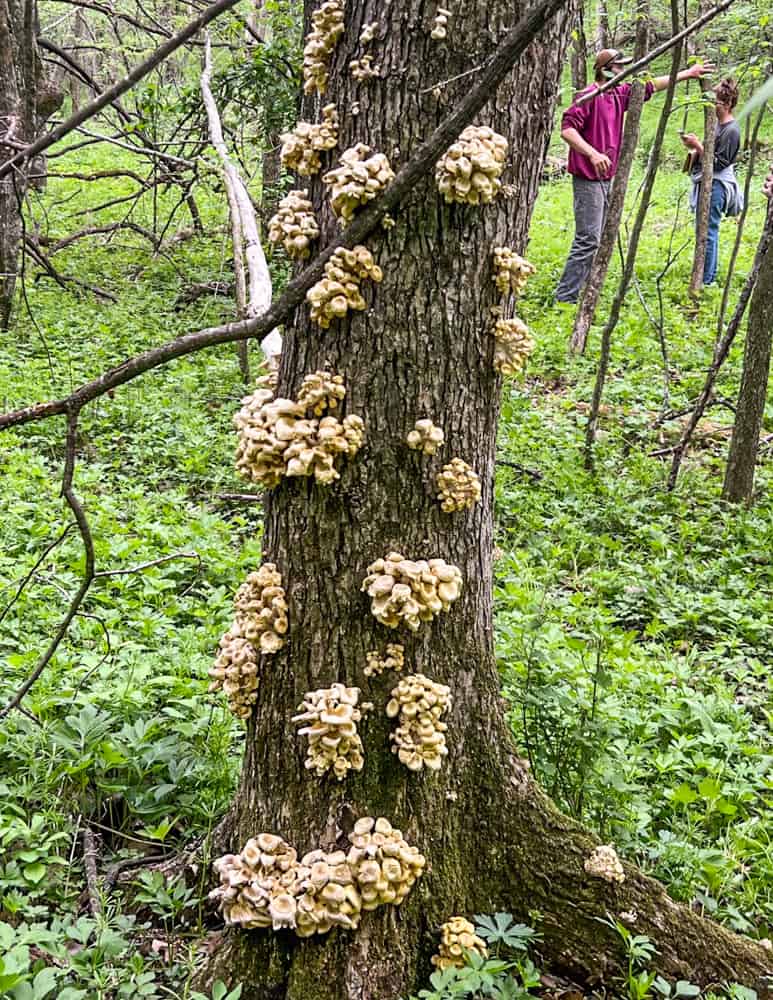
The culinary world is also getting a taste of the oyster mushroom's benefits. These mushrooms are high in protein, pack essential amino acids, and low in calories - the perfect trio for a healthy meat alternative. Innovative uses include the development of vegetarian foods like sosreng, a traditional Indonesian snack. When combined with other ingredients like tempeh and isolated soy protein, oyster mushrooms offer a texture and flavor profile that closely approximates meat, catering to the rising demand for gluten-free, plant-based products.
This innovative approach to food not only enhances its nutritional value but also aligns with the trend towards sustainable and health-conscious eating habits. However, achieving a consistent texture in these products is a challenge, necessitating standardization in production processes (OTTIMMO).
There's more to oyster mushrooms than meets the eye - or the tastebuds. As we've seen, their properties go beyond the kitchen to the frontlines of health and environmental initiatives. Next time you spot them at your local grocery store or market, remember you're looking at more than just a tasty meal component - you're looking at a functional food with a myriad of benefits waiting to be explored. So, go ahead and dive right in, reap the health benefits, use them in your next culinary experiment, and know you're doing your bit for a healthier you and a healthier planet.